Educational concepts
Swim Lesson Scholarships:
Your donation can provide financial assistance for children to enroll in swimming lessons. Many organizations offer swim lesson scholarships to underserved communities or families who may not otherwise be able to afford lessons.
Water Safety Education Programs:
Support programs that educate children and their families about water safety practices, including the importance of supervision, recognizing drowning risks, and how to respond in emergencies.
Life Jacket Distribution Programs:
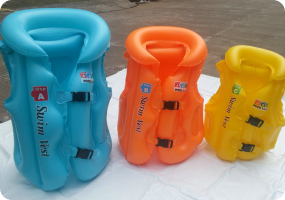
Donate to initiatives that provide free or low-cost life jackets to children and families, particularly in areas where water recreation is common but access to safety equipment may be limited.
Pool Safety Equipment:
Your donation can help fund the installation of safety equipment such as pool fences, alarms, and covers to prevent unsupervised access.
Know The 5 Layers Of Protection
Barriers and Alarms
Supervision
Water Competency
Appropriate use of Life Jackets
Emergency Preparation





Preventing drowning in children is crucial, and there are several measures parents and caregivers
can take to ensure their safety around water.
NEVER LEAVE A CHILD UNATTENDED!
Supervision
Always supervise children around water, whether it's a pool, bathtub, or any body of water. Keep them within arm's reach, especially for younger children.
Teach Swimming Skills
Enroll children in swimming lessons at an early age. Even basic swimming skills can help prevent drowning incidents.
Pool Fences and Gates
Install a fence around home pools with a self-closing and self- latching gate to prevent unsupervised access to the pool area.
Life Jackets
Ensure children wear properly fitted life jackets when boating, swimming in open water, or participating in water sports.
Learn CPR
Parents and caregivers should learn CPR (Cardiopulmonary Resuscitation). Knowing how to perform CPR can save lives in drowning emergencies.
Educate Children
Teach children about water safety rules, including not diving into shallow water, not swimming alone, and staying away from drains and pool suction fittings.
Empty Tubs and Buckets
Always empty tubs, buckets, and other containers immediately after use to prevent small children from accidentally falling in and drowning.
Be Vigilant
Stay alert and avoid distractions when supervising children around water. Drowning can happen quickly and silently.
Secure Pool Covers
When the pool is not in use, cover it with a safety cover to prevent access by children or pets.
Alarms and Sensors
Consider installing alarms on doors leading to the pool area and pool alarms that sound if someone enters the water.
Stay Sober
Adults supervising children around water should avoid alcohol and drugs, as impaired judgment can lead to accidents.
Model Safe Behavior
Set a good example by following water safety rules yourself. Children are more likely to adopt safe practices if they see adults doing the same.
Leaving Pool Toys
in the pool unattended can indeed pose a serious risk, especially for children who might be tempted to reach for them and accidentally fall in. It's crucial to always supervise children around water and ensure that all pool toys are removed from the pool after use to prevent any accidents or drownings. Safety should always be a top priority around water.
Our Products
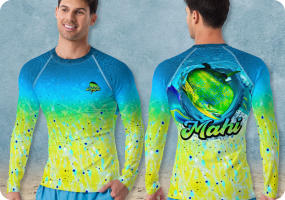
Rash Guard
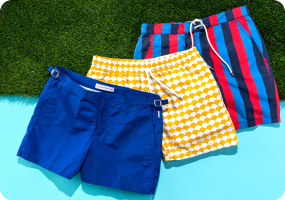
Clothing
Water Watcher Cards/Vest